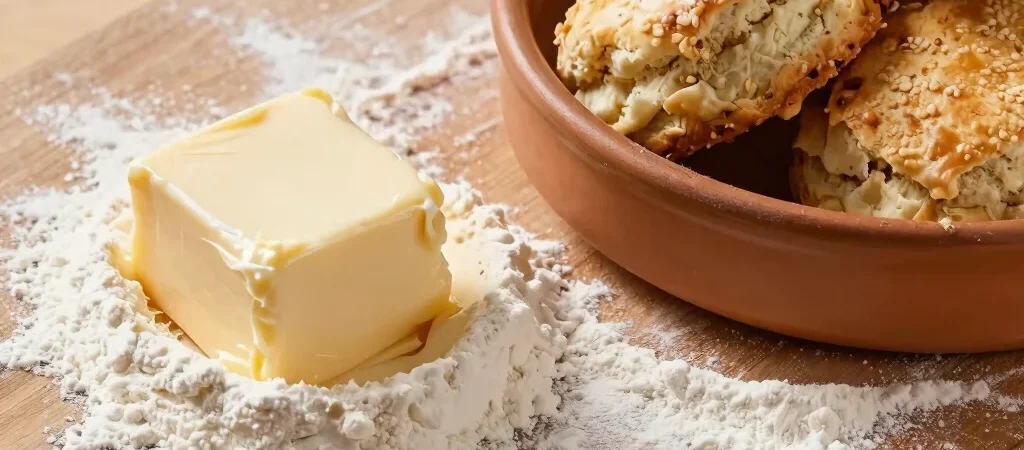
Baking can sometimes feel unpredictable when a recipe promises pillowy rolls but yields dense biscuits instead. More often than not, the culprit is not your flour or your oven, but the temperature of your butter when you start mixing. Small shifts in ingredient temperature produce dramatically different results at the family table.
Understanding How Softened Butter Works
When butter is softened to room temperature, around sixty-five degrees, it traps tiny air pockets during creaming with sugar. These microscopic air bubbles expand in the oven, giving cakes their tender crumb and cookies their delicate lift. Cold butter simply cuts through sugar without trapping air, resulting in heavy bakes.
Simple Ways to Gently Warm Cold Sticks
If you forgot to set your butter out on the counter an hour before baking, resist the urge to use the microwave setting. Instead, slice the cold stick into thin coins and let them rest on a plate near the warm stove for ten minutes. You can also pour hot water into a ceramic mug, dump the water out, and invert the warm mug over the butter stick.
Testing for Ideal Baking Consistency
Properly softened butter should yield easily under gentle finger pressure without slumping or shining with liquid grease. It should hold its shape while feeling smooth and pliable under your touch. Keeping this simple rule in mind brings calm confidence to every baking session.